Discover Rio Adobe Southwest Cafe
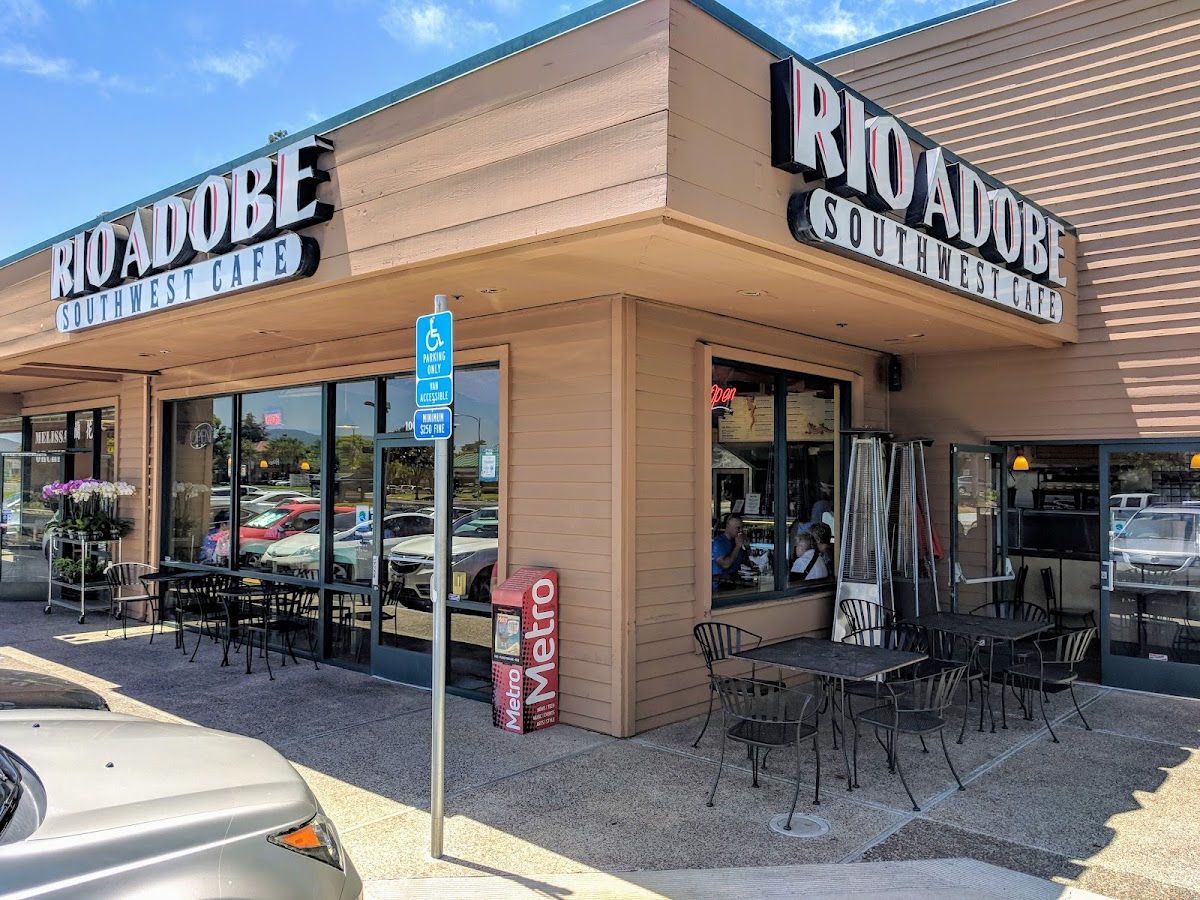
Rio Adobe Southwest Cafe has been one of those low-key neighborhood spots that locals quietly protect, the kind of place you discover once and then keep returning to without much fuss. Tucked into the shopping plaza at 10525 S De Anza Blvd #100, Cupertino, CA 95014, United States, it looks unassuming from the outside, but the moment you step in, the aroma of roasted chiles and slow-simmered sauces makes it clear this is not a standard diner. The first time I came here was after a long workday nearby, and I remember being surprised by how relaxed the room felt, even during peak dinner hours.
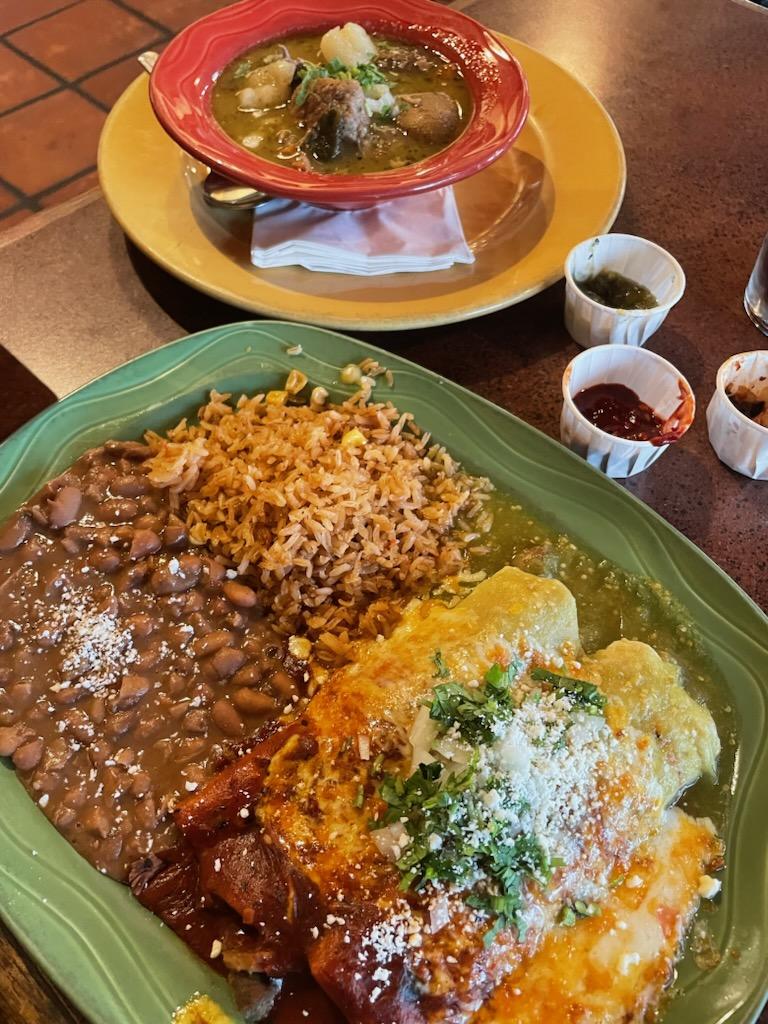
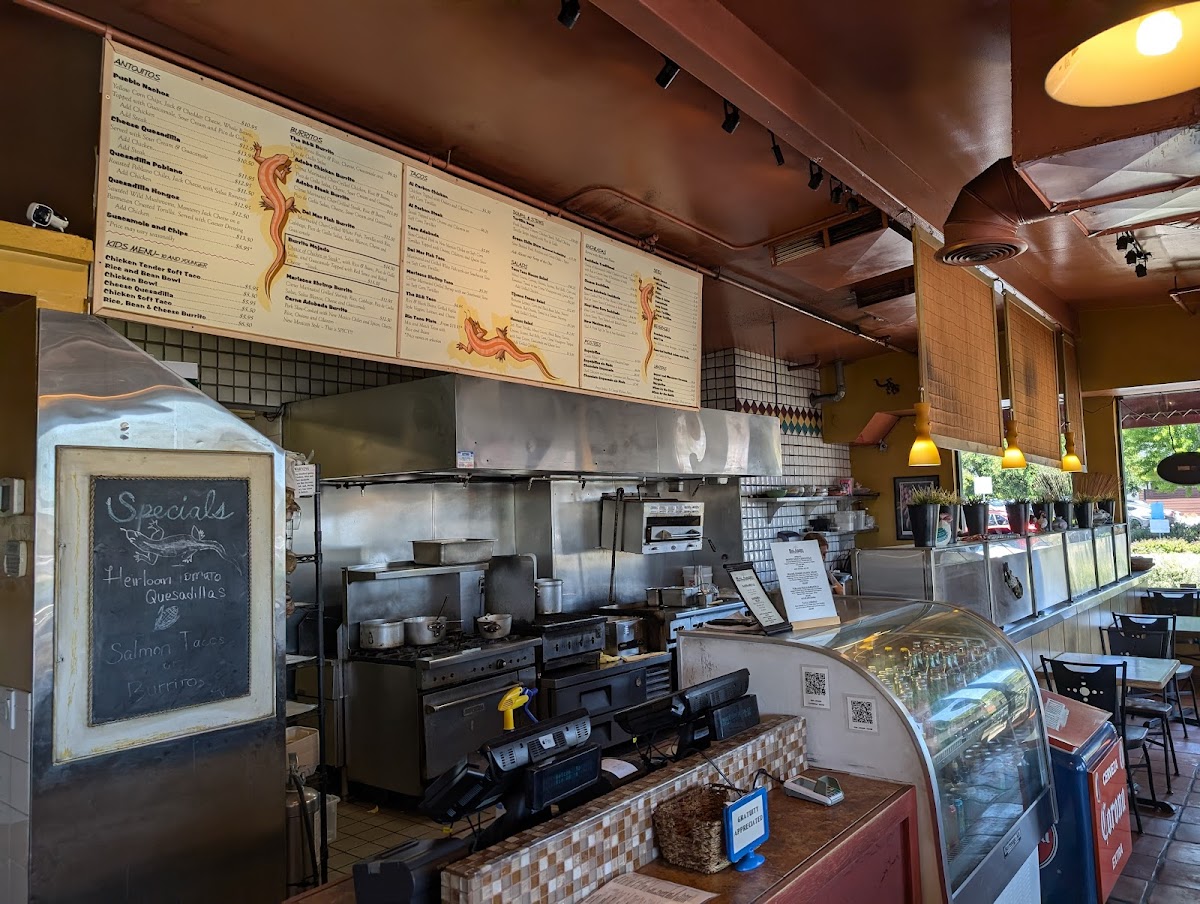
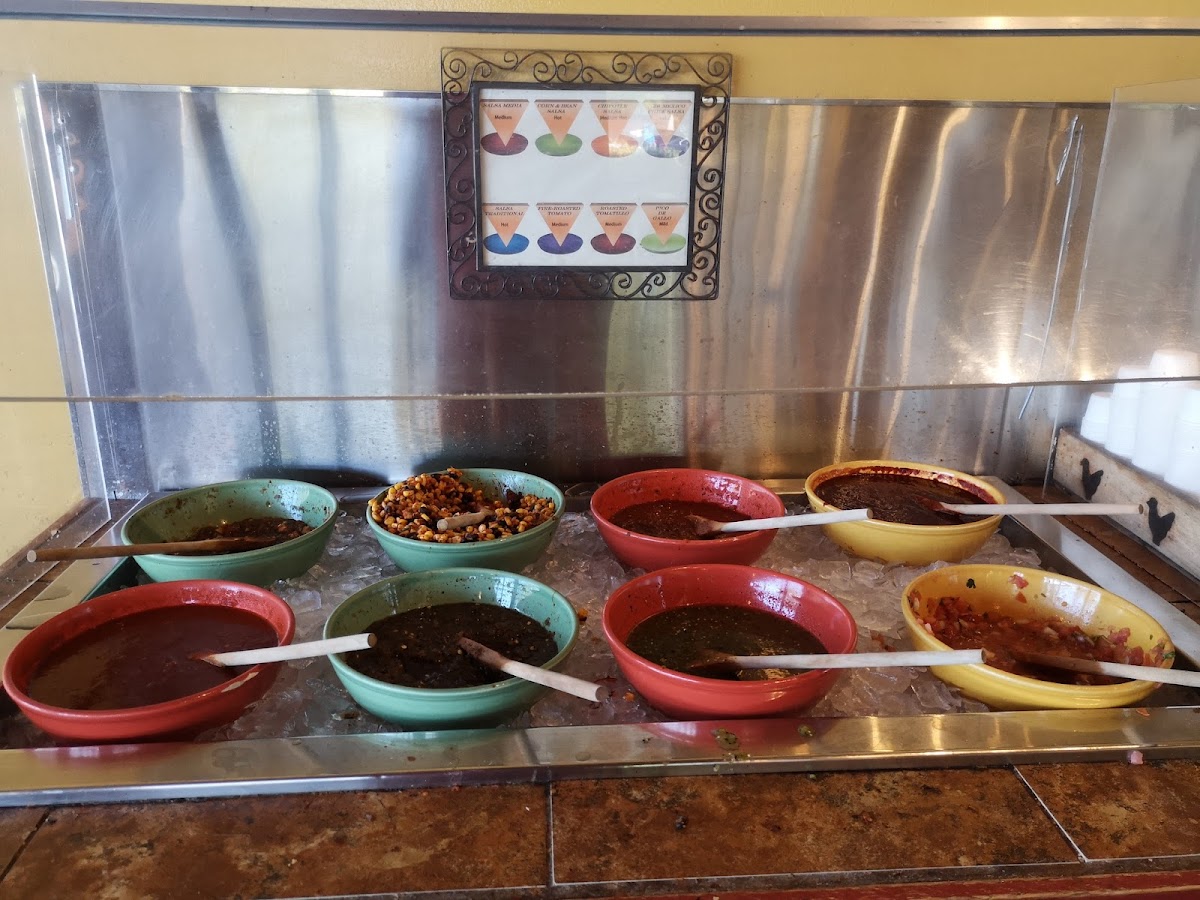
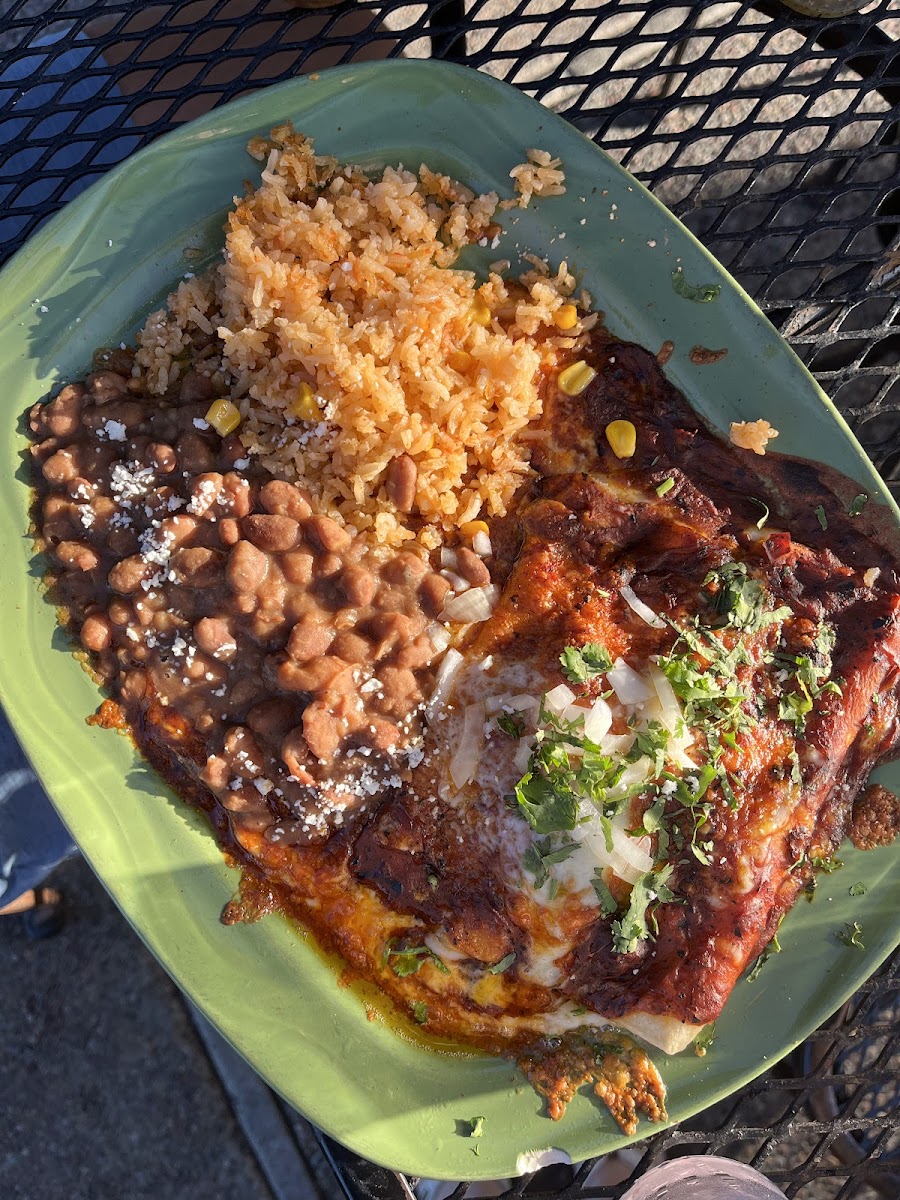
The menu leans heavily into New Mexican classics, which sets it apart from the more common Tex-Mex interpretations around the Bay Area. Dishes like green chile stew, stacked enchiladas, and carne adovada are prepared with techniques that prioritize depth over heat. I once watched the kitchen staff carefully ladle sauce over enchiladas rather than drowning them, a small but telling detail that reflects experience and confidence. According to food science research shared by the Institute of Food Technologists, slow-cooked chile sauces develop more complex flavor compounds than quick-boil methods, and that difference shows up clearly on the plate here.
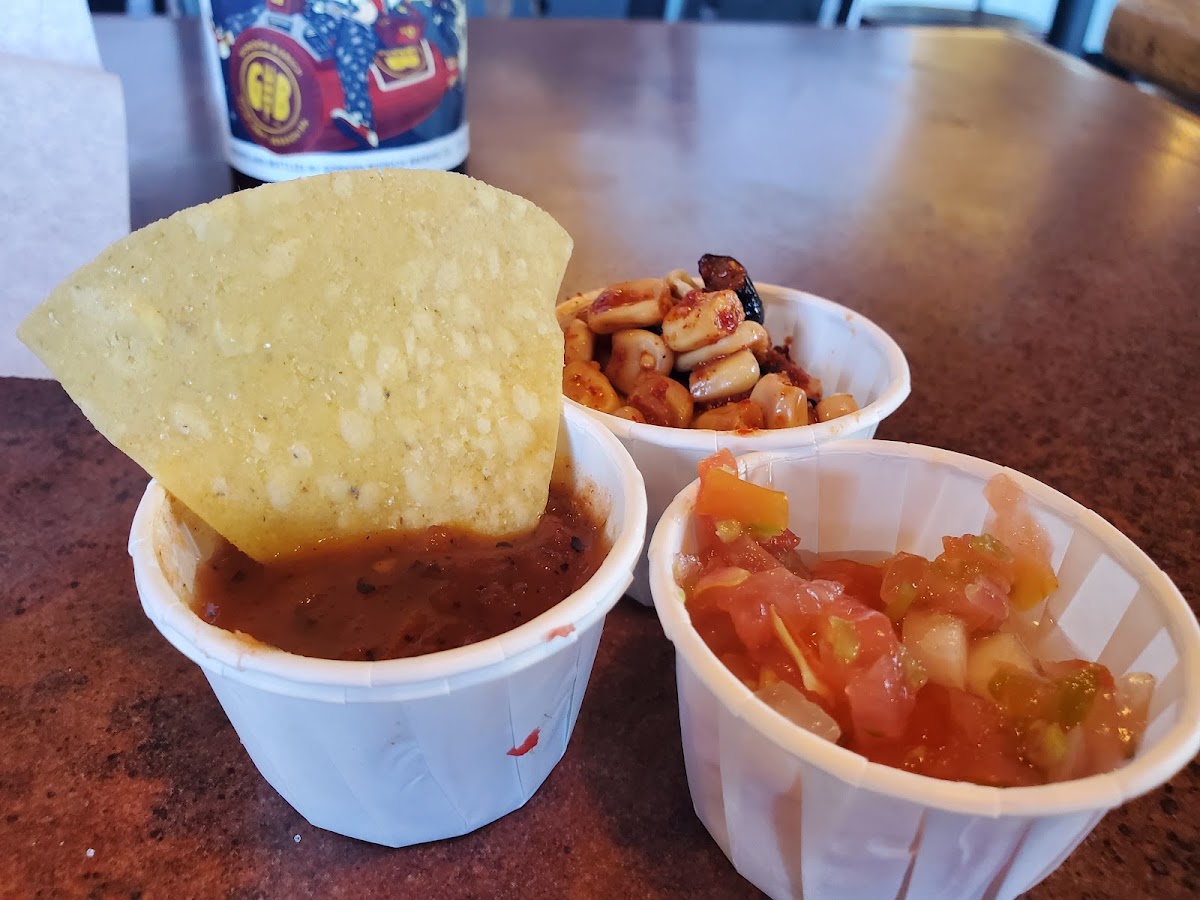
Over the years, I’ve noticed how consistently the kitchen handles timing and balance. The green chile, which many regulars consider the heart of the restaurant, has a steady, earthy warmth rather than a sharp burn. Capsaicin studies published by the National Institutes of Health suggest that moderate heat enhances flavor perception instead of masking it, and this seems to be exactly the approach taken in these recipes. You can taste the roasted peppers first, then the savory undertones, and only afterward does the heat linger.
What really stands out is the attention to process. The staff has explained that chiles are roasted in batches, peeled by hand, and frozen at peak freshness to maintain flavor year-round. That method mirrors best practices recommended by the New Mexico State University Chile Pepper Institute, an authority often cited by chefs who specialize in Southwestern cuisine. It’s reassuring to see a neighborhood cafe quietly applying professional standards without turning it into a marketing gimmick.
Reviews from long-time customers often mention portion size and value, and from personal experience, that reputation is well-earned. Plates arrive generous but not careless, with rice and beans cooked separately rather than treated as filler. On one visit, a server mentioned that many ingredients are sourced from regional suppliers whenever possible, which aligns with data from the USDA showing that shorter supply chains often preserve nutrient quality and freshness. While the restaurant doesn’t publish a full sourcing list, the flavors suggest thoughtful ingredient choices.
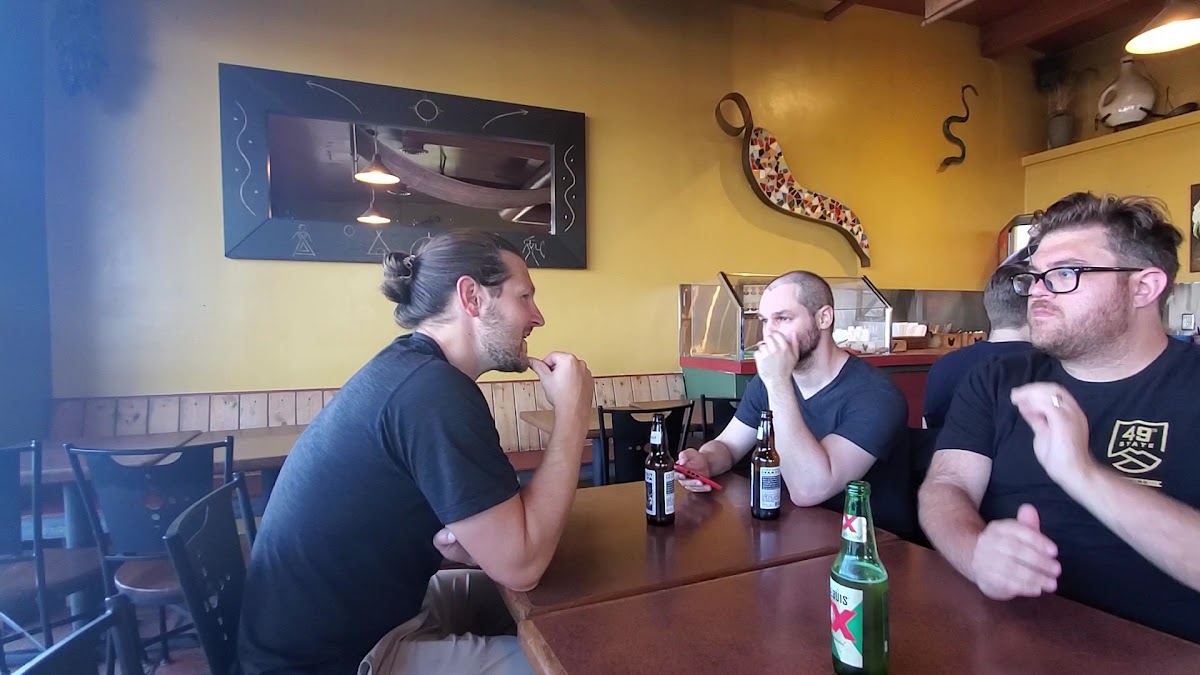
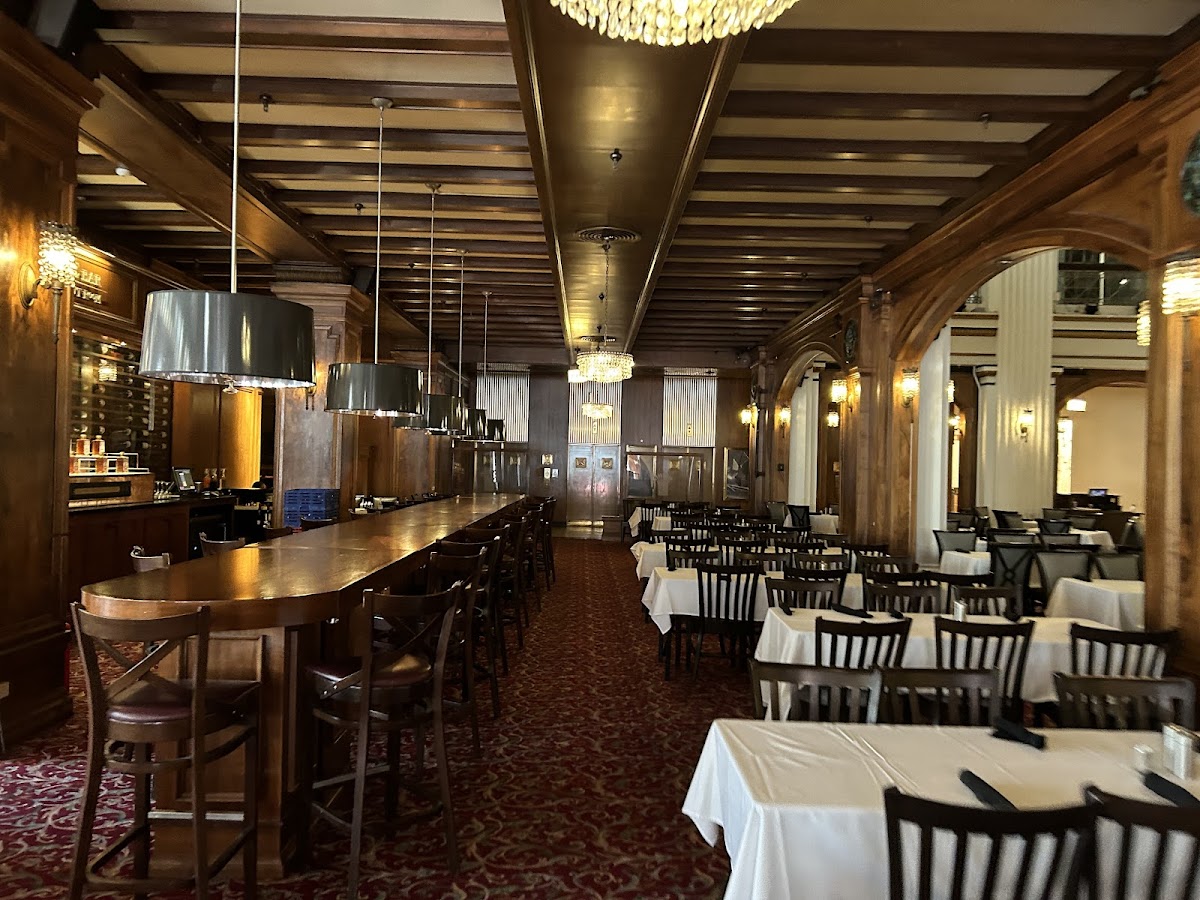
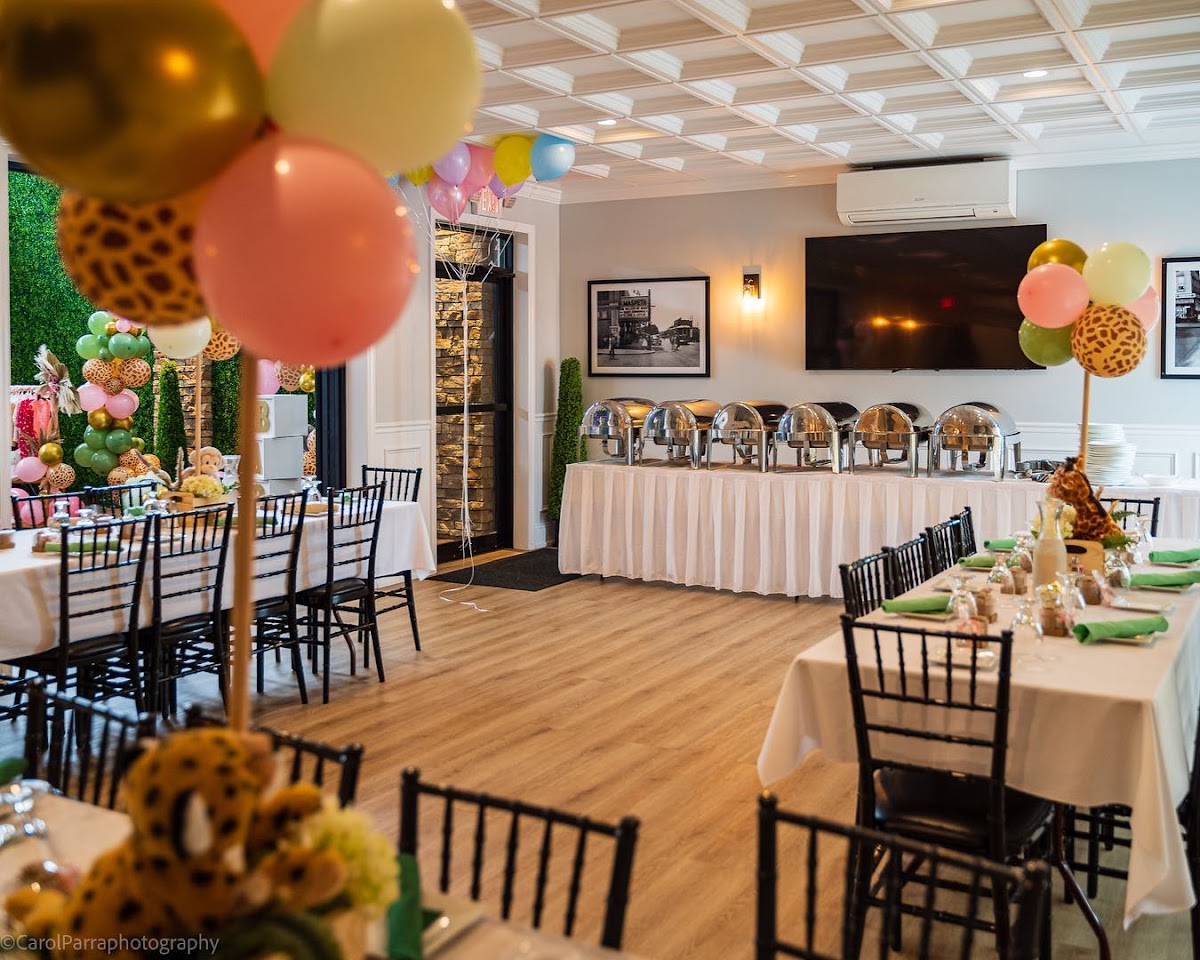
The atmosphere plays a big role in why people keep coming back. Conversations flow easily, families linger over meals, and solo diners don’t feel rushed. I’ve seen regulars greeted by name, which builds trust in a way no online review ever could. That sense of familiarity reinforces what hospitality experts often point out: repeat business is driven more by consistency and comfort than novelty.
There are a few limitations worth noting. Seating can be tight during busy evenings, and parking in the plaza occasionally fills up fast. The menu also stays fairly focused, so diners looking for a wide range of modern fusion options might find it traditional. Still, for anyone curious about authentic Southwest flavors prepared with care, this place delivers exactly what it promises, without overcomplicating the experience or losing its local charm.